

en

en



What does it take for a game to connect with players across different cultures?
From Japanese publishers reaching international audiences to Asian gaming communities thriving across Europe, the relationship between East and West is shaping how games are discovered, marketed, and experienced.
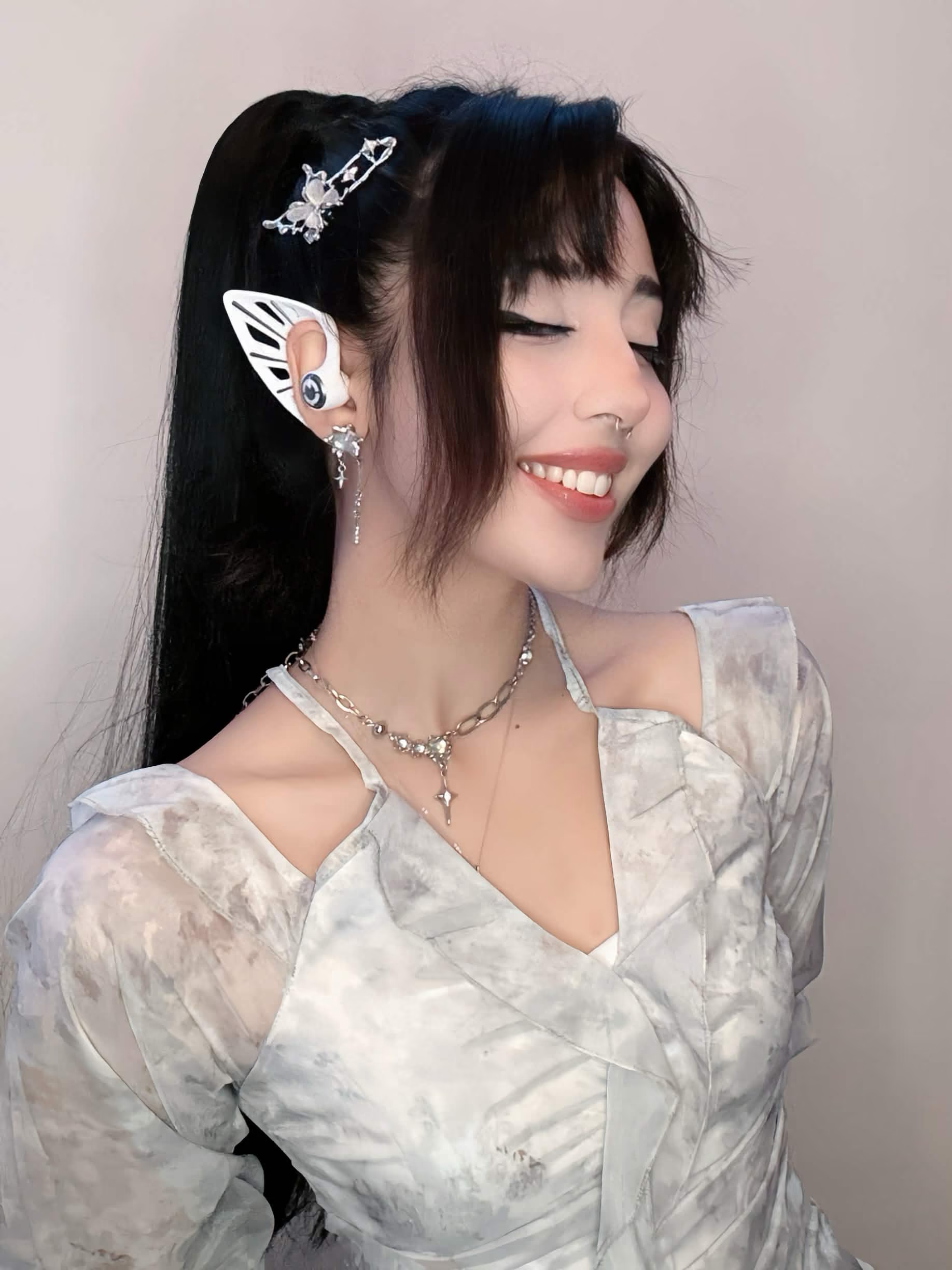
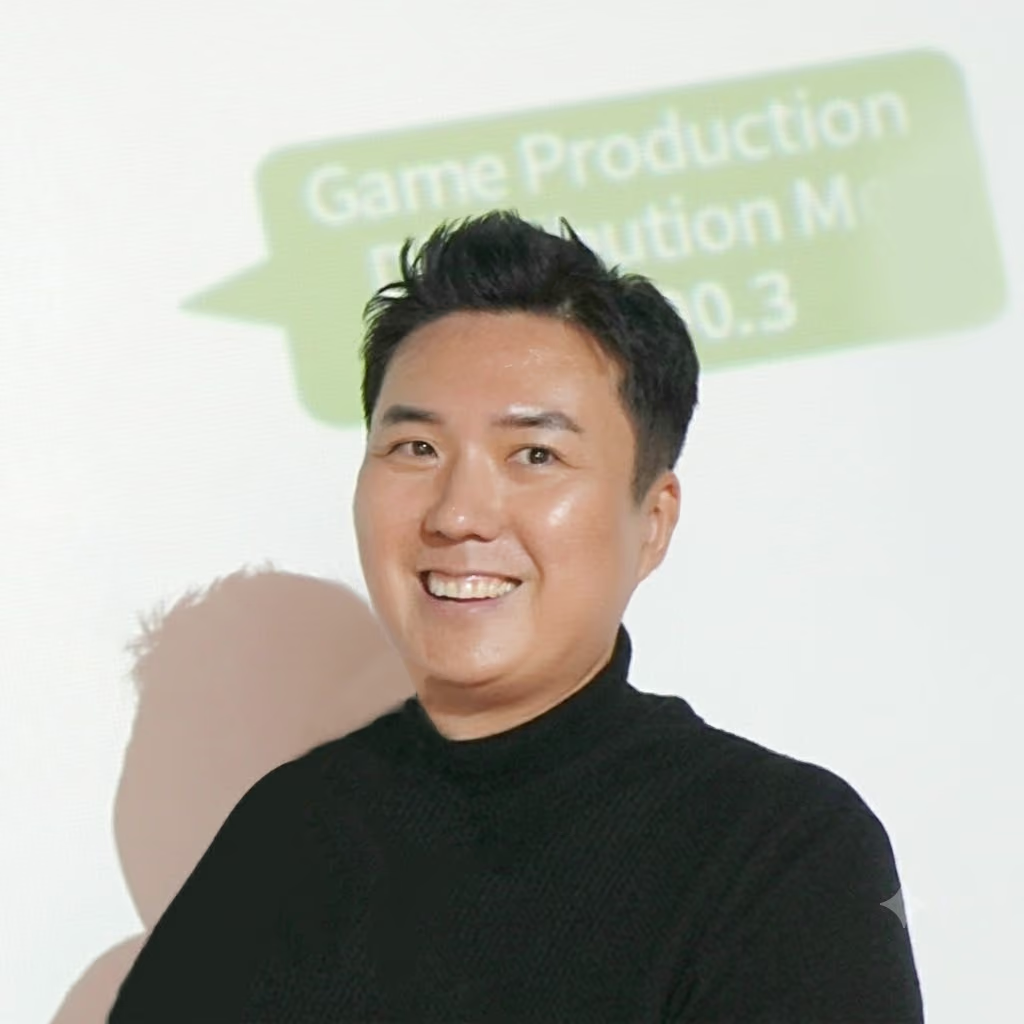
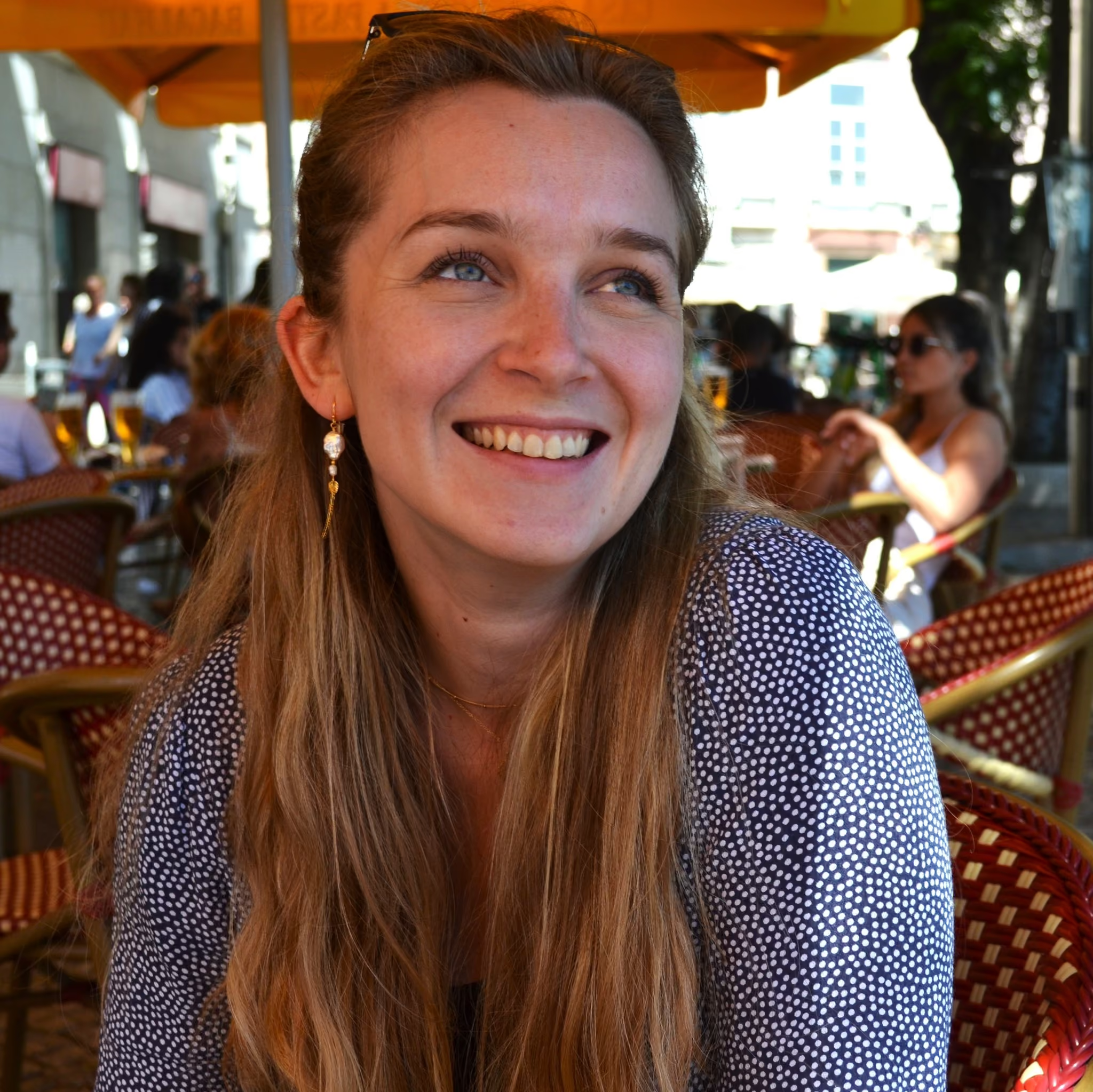
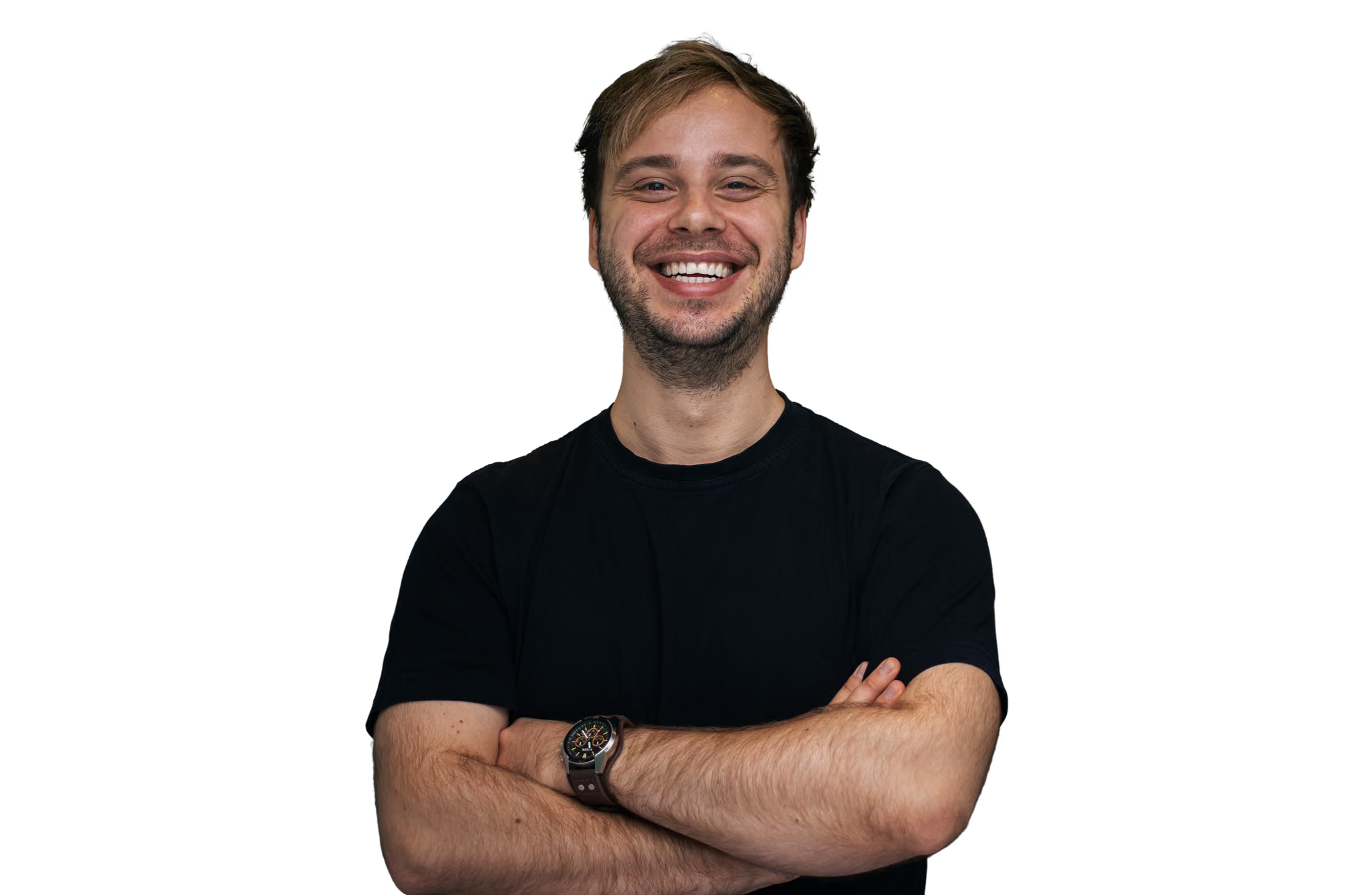
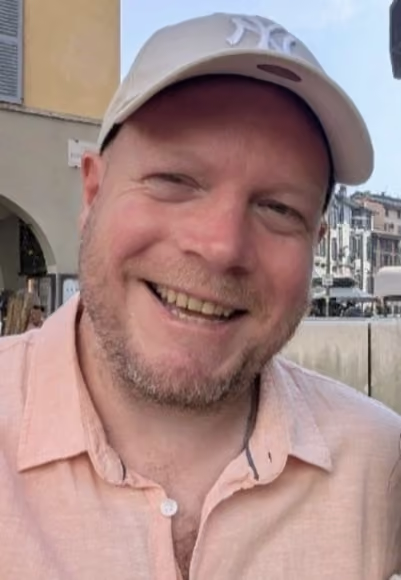
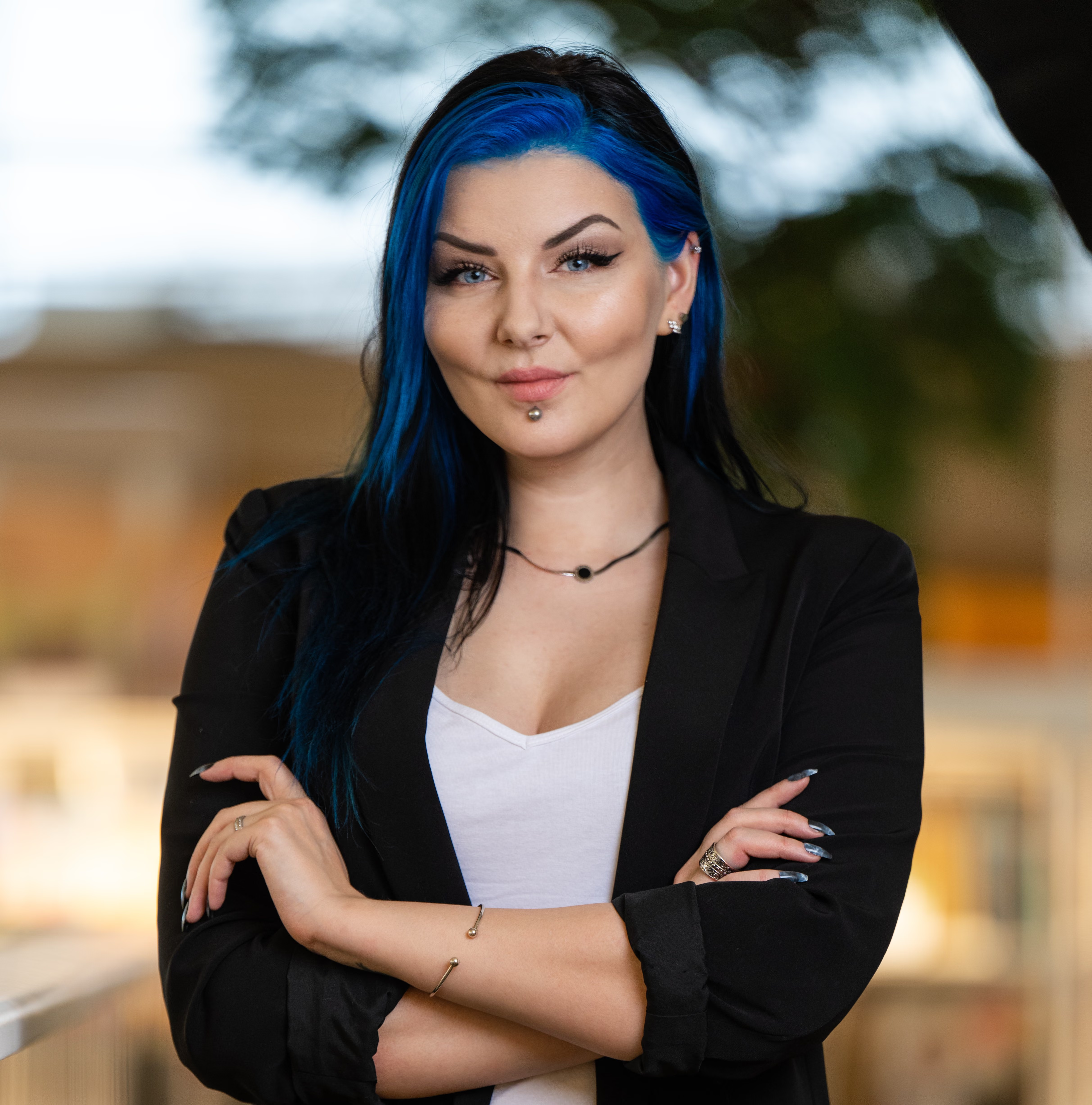
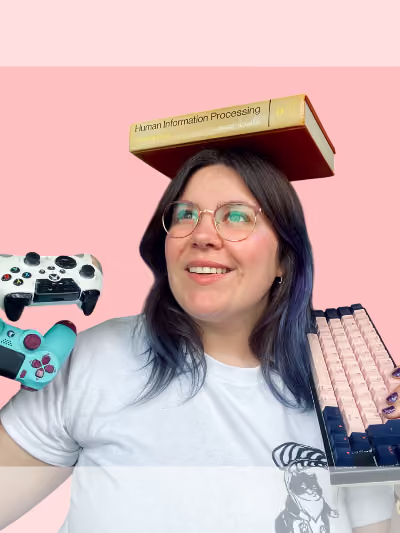
Join Ken Lai from SEGA Japan and Mika, ACG Community Leader at ThxD GmbH and a content creator specialising in cosplay and streaming, for an open conversation about publishing, cultural differences, community building, and the growing influence of content creators.
Together, they'll explore what makes games resonate across borders, how developers can approach new markets, and what indie studios can learn from the success of Asian gaming communities in Europe.
Every memorable game world has its own visual language. Beyond functionality, symbols, typography, iconography, and UI can communicate history, culture, belief systems, and identity. This talk explores how graphic design and UI Art contribute to worldbuilding by creating visual systems that make fictional worlds feel authentic and alive. Through real production examples and personal work, attendees will discover how visual language can transform interfaces into powerful storytelling tools.
For game developers and publishers, "success" ultimately means launching a title that resonates perfectly with player preferences and sustaining its operation over time. However, achieving meaningful results in today’s market is an immense challenge, with the probability of success sitting at less than 3%.
The most critical factor in a game's triumph is the immediate positive feedback and organic viral growth it generates upon release. Yet, one of the most persistent hurdles in the gaming industry is the inability to predict actual target market response prior to launch. In this session, I will present a methodology how to validate the readiness of games development, and share strategies on how to refine gameplay based on regional player preference data, identify optimal target markets, and maximize the chances of a successful global debut.
The reality is stark: of the approximately 20,000 new titles released on Steam annually, 84% disappear from the market without even reaching 100 user reviews. Only a mere 6% of games achieve the benchmark of 500+ reviews, a threshold often seen as a sign of meaningful success. Through this presentation, I will reveal the core know-how for securing over 1,000 high-quality global user feedbacks to transform your game’s trajectory.
This talk explores how stylised and handpainted texturing can be used to create a strong visual identity in games.
Using production examples and workflows, the session covers:
>building consistent visual styles through references and art direction
> creating efficient texturing workflows in Substance Painter and Designer
> using custom generators instead of overly flexible smart materials
The talk also examines the role of AI in modern art pipelines, arguing that tools alone do not produce strong visuals — consistency, context, and intentional artistic decisions do.Focused on practical workflows and real-world production constraints, this session is aimed at artists and developers who want to create more distinctive and cohesive stylised worlds.
Developing your own game presents developers with massive financial challenges. This is where Medienboard Berlin-Brandenburg supports newly founded start-ups as well as established studios. Joscha and Amanda will explain what steps you need to take and what requirements you have to fulfill to secure funding for your project.
Stop waiting for progress bars and reclaim your development flow. This presentation provides actionable strategies to minimize iteration time in Unity, helping teams reduce context switching and boost daily productivity.
Key takeaways include:
* Mastering the Inner Loop: Optimizing assembly definitions, domain reloading, and scene loading to achieve sub-three-second feedback.
* Streamlining Asset Pipelines: Leveraging parallel imports and shared caches to eliminate unnecessary re-importing.
* Solving Graphics Bottlenecks: Practical techniques for shader stripping and managing variant explosions.
* Advanced Tooling and Profiling: Utilizing Editor profiling and project auditing to identify and resolve hidden performance bottlenecks.
How does a game idea actually come about, and how do you quickly turn it into a playable prototype? During this session, you can try it out for yourself: in small groups, you draw cards from the LUNA card deck. They offer prompts on the rules, perception and meaning of every element of a game system. Using them, you develop the core of a shared game idea together. No prior knowledge needed, just a willingness to experiment. Drop by, experience LUNA for yourself, and walk away with an idea for your next game, all within 2 hours.
A talk about creature design for the entertainment industry. I'd like to share with you how concept artists think when they create creatures for imaginary settings, and what line of thought we can use to make our designs believable and memorable.
Action-adventure has been a top genre for decades, yet its biggest titles are built around combat. Even games that soften combat aesthetically, dressing it as play instead of war, still rest on the same fantasy. And no genre puts players as closely into the protagonist's perspective. So the obvious question: how can we replace combat and still keep players engaged?
This session addresses that question through our work on "Summer on Tidewind", a non-violent action-adventure focused on wonder, discovery, and connection.Using the transformation aspect of the hero's journey as a framework, I look at three layers: what happens in the story, how the game evolves mechanically, and what shifts in the player's mind. Combat does heavy lifting across all three. It creates visible conflict, introduces mechanics that unlock over time, raises stakes, and gives players something to master. Remove it and you risk slow pacing, unclear stakes, and players who stop progressing.
Instead of a direct replacement, I use the transformation lens to find other drivers of change: narrative and puzzle mechanics, environmental challenges, relationship-building, and mentally mapping the world. Drawing on reader-response theory, MDA, and skill atoms, we design for transformation across all three layers.The goal is not to argue against combat, but to understand what it actually does, and to encourage designers and publishers to build action-adventures that reach audiences beyond violent conflict.
In this fireside chat, two veteran (level) designers will pick each other's brain on the everyday challenges of leading a team of creatives in AAA game development. This chat is for anyone who is already a lead in game development, aspires to be one, or is simply interested in what leadership in AAA may look like.
What does the data tell us about the current state of the European games job market? With layoffs, studio closures, and fewer job opportunities affecting the industry, understanding the numbers behind these developments is an essential starting point for anyone looking for their next role. How is the situation evolving across different European markets, where are opportunities emerging, and what do the trends mean for job seekers?Bringing together perspectives from industry analysis, specialist recruitment, in-house talent acquisition and career coaching, this panel will explore the job market across Germany, Eastern Europe, and Scandinavia. Drawing on market data and first-hand experience, our speakers will discuss how hiring is changing, what employers are looking for, and how professionals can position themselves in an increasingly competitive environment.
The discussion aims to turn data into practical insights, helping job seekers better understand the market, make informed career decisions, and identify potential paths forward in the European games industry.
(Final Description TBA)
Participants bring a concrete problem or decision they’re currently stuck on in their own project, and we use a simple framework to figure out why they’re stuck — whether the underlying issue is direction, constraints, decision-making, or ownership — and turn that into concrete next steps.
Transitioning between teams is one of the most common (and most underestimated) challenges a producer can face. The pressure to prove your value immediately is real, but building trust requires knowing when to observe, when to act and when to challenge existing ways of working.Drawing from my experience across multiple studios and teams this talk explores the challenges of joining a new team: understanding unwritten rules, navigating leadership dynamics, managing conflicts and making meaningful contributions without creating unnecessary friction.Through real examples, including a conflict between myself and a lead engineer, I'll share what worked, what didn't and what I learned along the way.This session offers practical insights for producers and leads navigating team transitions, from their first days of observation to building alignment and contributing effectively.Attendees will leave with a clearer understanding of how to approach their first months in a new team and move from outsider to trusted partner.
A quick run through gen AI and why it’s terrible within game design and a terrible ‘skill’ for a team to acquire, what skills are actually lost then looking at why players are also so averse to it.
Plans fall apart. Roadmaps keep teams together. Learn why, how and what it means to build one in this interactive session with a senior producer who has seen it all, from tiny teams to games played by millions. Bring your phone, your curiosity, and walk away with tools and tips you can put to work immediately!
What does it take to turn a story into a lasting ecosystem?
As the boundaries between film and games continue to blur, intellectual property is evolving beyond individual works into interconnected ecosystems. New forms of collaboration are emerging, but so are new challenges for creators.
In this conversation, Mariam and Fred will explore the dynamic relationship between film and games, discuss the challenges and opportunities facing creators in an increasingly interconnected media landscape, and examine how strong communities can transform stories into lasting ecosystems.
A sticker. A whisper. A secret society. Inclusion doesn't always require sweeping reforms. Sometimes it starts with the smallest act of outreach, and how those quietly reshape who gets to make games is what this session is about.
As one example, we'll share the idea behind The Very Secret Society of Women in Games, a playful, grassroots mentoring initiative that started as little more than an invitation, and proof that you don't need a platform or a budget to begin, just the nerve to reach one person.
This isn't a case study with metrics or KPIs. It's a thought experiment made real, and an invitation to look at our own reach: the people we could welcome in before they ever think of the industry as a place for them. Together we'll trace the moments that almost kept us out and turn them outward, so you leave having named one real person you could reach, knowing exactly what you'd say, and quietly inducted as a member.
This workshop is for anyone who's ever felt overwhelmed by the scale of change, a gentle reminder that small, intentional ideas can plant seeds that grow into movements. You don't need a big platform to start. You just need the courage to begin.
This talk explores the environment art production pipeline behind No Rest for the Wicked, focusing on how MOON Studios’ distinctive artistic style shapes the creation of the game world.
From translating concept art into 3D environments to developing the studio’s signature hand-painted look on 3D models, the presentation examines the artistic and technical decisions involved in bringing the world to life. Particular attention will be given to the use of hand-painted textures to define materials, create depth, and establish visual cohesion across environments and assets.
The talk will also explore the importance of artistic direction throughout production, highlighting how a strong and consistent visual identity guides the creation of immersive environments and contributes to the distinctive atmosphere of No Rest for the Wicked.
Agentic AI is rapidly becoming part of game development, but adopting new technology is rarely about starting from scratch. Most teams are balancing new AI capabilities with established tools, legacy systems, production pipelines, and the realities of shipping games.
In this fireside chat, senior professionals from software and graphics engineering share their perspectives on how AI is changing day-to-day development across disciplines. We'll discuss where agentic workflows fit into existing pipelines, the trade-offs between automation and maintainability, how teams can adopt AI without disrupting proven processes, and where human expertise continues to make the biggest difference.
Rather than offering one-size-fits-all answers, this conversation focuses on practical experiences, lessons learned, and the challenges of thoughtfully introducing AI into modern game development.
The Dynamic Chain System is a modular approach to adaptive game music built around short, self-contained chunks that connect based on game state, energy level, or narrative context. Instead of a fixed sequence, the game navigates a graph of musical possibilities in real time.
This talk walks through the full system: how chunks are authored in the DAW, structured in FMOD using nested events and parameter sheets, and controlled from the game engine. Transitions, energy states, and layering without exponential complexity.
Case studies from shipped indie projects cover where the system saves time and where it demands upfront design investment. Common failure modes are addressed throughout.
You'll leave with:
A reusable architecture for modular adaptive music in FMOD
A compositional workflow for writing in chunks rather than loops
Practical decision trees for when this approach fits, and when it does not
For game composers, audio directors, and FMOD users ready to move past traditional adaptive loops.
Publishing can sometimes feel like a mysterious black box. What does a publisher really do? What are you paying them for? What should you expect in return? And when does it make more sense to go it alone?
In this informal, fireside-style chat, publishing professionals and self-publishers will swap stories, opinions and hard-won lessons about the realities of getting games out into the world. We’ll cut through the jargon and explore what publishers actually bring to the table, from funding and marketing to platforms, partnerships, and simply helping you get the thing finished.
Expect honest takes, questionable war stories and plenty of “well, actually…” moments. No sales pitch, no secret handshake required; just a friendly conversation about the different paths to publishing, the trade-offs involved, and how to figure out what’s right for your game.
Come with your questions, leave with a better idea of what a publisher can (and can’t) do for you, and whether you need one at all.
This workshop brings together game developers, designers, and social impact practitioners to identify critical tools and infrastructure needed to build commercially viable games addressing sustainability and social challenges. In hands-on Problem-to-Impact exercises, participants develop an impact investor pitch deck for a game concept - and through that engage with the infrastructures and tools needed for bringing these concepts to market.
Register to save a spot via this form: https://forms.gle/j5pHwdHrKZu4NFXY9
In this session we explore how we could close the gap between engineering craft and other game development crafts, how could engineers support each craft delivering its part to ultimately create coherency between the teams.
There's no single right way to fund a game, but there are many wrong fits. This session unpacks the key financing options for game founders today, what each asks of you, and why the smartest studios build hybrid stacks rather than bet on one source of capital.
More info TBA
Community Building Fireside - Carolin Wendt (CD PROJEKT RED) & Mélida Chiarotto-Schenk (GameDuell)
As Steam becomes increasingly crowded and Steam Fests alone are no longer a reliable way to gain traction, platforms like TikTok and Instagram have become more important than ever for growing your wishlists and building a community around your game. While creating content for these platforms can feel intimidating at first, ignoring them is a missed opportunity.
In this talk, I'll share the lessons I learned from earning over 100,000 wishlists across two games. I'll cover what worked for me, what I've observed working for other developers, and debunk some of the common myths about using short-form content to market your game.
Markus Zierhofer from AudioCreatures will share personal “stories from hell”, highlighting what went wrong in projects and how to avoid similar pitfalls when working with or as an Audio Designer or Composer in the game production pipeline.
Drawing on experience from over 100 productions over the last years, ranging from Indie to AAA teams, Markus will share stories based on real events and guide you through the stages of „the burn“ in an educational but entertaining way!The talk is open to everyone and all departments!
The Rabbit Games Residency is a fully funded four-week residency program for indie game developers from around the world. Hosted at COCONAT, a workation space in Brandenburg, Germany, it gives selected developers the time, space, and support they need to further develop their games and prepare them for the next stage of their careers. Join us on Nov 6th at 17:40 at the Portal Stage for this edition's Pitch Event, where each team will present their games in 4 minutes, and will receive invaluable feedback by our amazing jury: Rami Ismail, Claire Barilla and Ralf Wirsing.
This years' participants of The Rabbit Indie Games' Residency are:
Findling Games with 'Waterful'
Hellfire Railway Interactive with 'Mutasmagoria'
Juno Menager with '4Mecheros'
Tinker with 'Burnout Simulator'
Superpose Press with 'Hot Pink Detective'
Googy Studios with 'You Don't Belong Here'
Flaco with 'Lunar Hunter'
CAGE STAGE
GALLERIE


MEMBER OF: